
Understanding Anxious Dog Breeds: What Causes It & How To Calm Them Naturally Without Medication
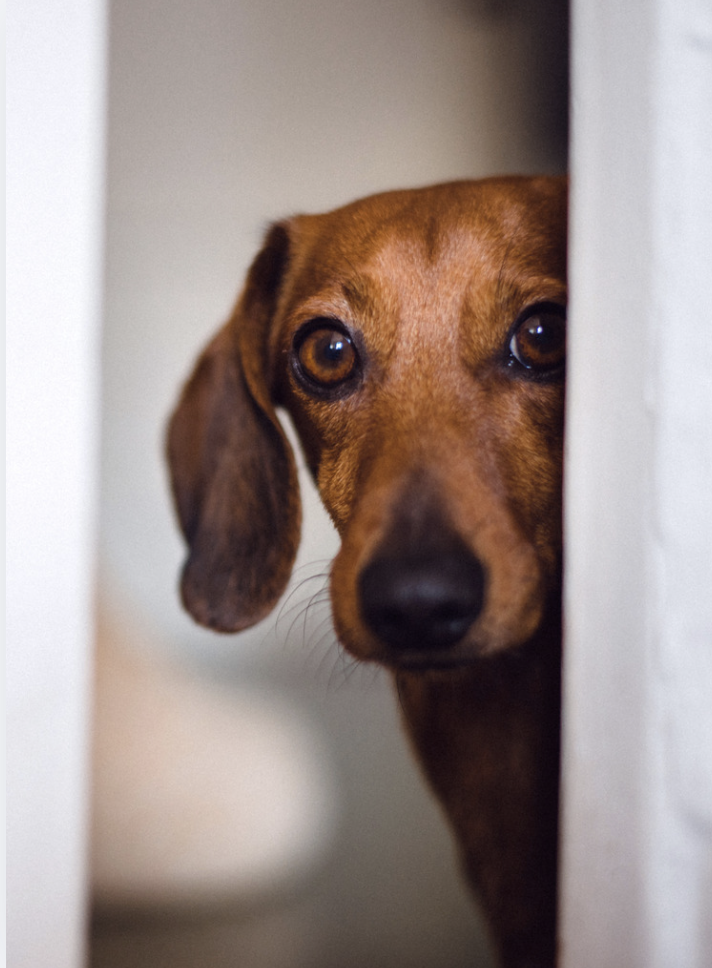
Some dog breeds are genetically more prone to anxiety, sensitivity, hypervigilance, and nervous system overload — especially intelligent working breeds that were bred to constantly observe, protect, herd, or react to their environment.
Breeds commonly prone to anxiety can include:
• German Shepherds
• Border Collies
• Australian Shepherds
• Huskies
• Dobermans
• Poodles
• Vizslas
• Belgian Malinois
• Cattle Dogs
• Some rescue dogs with unstable early experiences
And one of the biggest mistakes people make? Treating anxiety like “bad behaviour” instead of emotional dysregulation.
An anxious dog is not trying to dominate you. They are trying to survive what feels unsafe to them.
The good news is that many anxious dogs can improve dramatically without medication when their lifestyle, structure, training, and nervous system needs are addressed consistently.
Here’s what ACTUALLY helps.
🐾 Stop creating a constantly overstimulated dog
Many owners accidentally build anxiety by constantly hyping their dog up:
• excessive ball throwing
• chaotic dog parks
• constant excitement
• overstimulating environments
• no true rest periods
• over-exercising without mental decompression
A tired dog is not always a calm dog.
Some anxious dogs become adrenaline addicts. Their nervous system stays stuck in “go mode,” making reactivity and panic worse over time.
Instead:
• prioritize calm walks over chaotic exercise
• use sniff walks
• practice decompression walks on long lines
• teach settling inside the home
• reward calm behaviour, not only excitement
Learning to relax is a skill.
🐾 Structure reduces anxiety
Anxious dogs thrive on predictability because predictability creates safety.
Try:
• same feeding times daily
• structured walks
• consistent sleep schedules
• crate or safe-space routines
• clear household boundaries
• predictable training sessions
Dogs with anxiety often struggle when life feels chaotic or inconsistent.
Even simple routines can dramatically reduce stress hormones over time.
🐾 Build confidence slowly instead of “flooding”
One of the worst things you can do is force fearful dogs into overwhelming situations hoping they’ll “get over it.”
This often makes anxiety worse.
Instead use:
• gradual exposure
• desensitization
• counterconditioning
This means exposing the dog to a trigger at a level they can HANDLE while pairing it with positive experiences. Research consistently supports gradual desensitization and counterconditioning as highly effective behavioural approaches for canine anxiety and separation issues. ()
Example:
If your dog reacts to other dogs:
• start FAR away from dogs
• reward calmness before reacting
• slowly decrease distance over time
• leave BEFORE panic starts
Success builds confidence.
Overwhelm destroys it.
🐾 Stop punishing fear-based behaviours
Punishing:
• barking
• growling
• shaking
• hiding
• reactive lunging
may suppress behaviour temporarily while worsening the underlying anxiety.
Fear cannot be corrected out of a dog through intimidation.
Punishment often creates:
• distrust
• defensive aggression
• shutdown behaviour
• increased stress hormones
Instead:
• redirect calmly
• reward neutrality
• remove pressure
• create distance from triggers
• teach alternative behaviours
Behaviour experts often recommend teaching incompatible calm behaviours such as “sit,” “place,” or “settle” instead of reacting. ()
🐾 Mental enrichment matters MORE than endless exercise
Many anxious breeds are highly intelligent working dogs.
Without mental stimulation:
• anxiety increases
• destruction increases
• obsessive behaviours increase
• pacing and whining increase
Affordable enrichment ideas:
• frozen carrots
• cardboard destruction boxes
• rolled towels with treats hidden inside
• sniffing games
• basic obedience sessions
• scatter feeding kibble in grass
• homemade puzzle toys
• frozen lick mats
• training meals instead of bowl feeding
Mental work tires the brain in a healthy way without overstimulating the nervous system.
🐾 Your energy affects your dog
Dogs constantly read:
• body language
• tone
• tension
• breathing
• emotional energy
If you panic every time your dog reacts, your dog often becomes more reactive.
Calm leadership matters:
• slower movements
• neutral voice
• relaxed leash handling
• confidence without force
Anxious dogs need someone who feels safe and predictable.
🐾 Sleep is massively overlooked
Overtired dogs become emotionally unstable just like humans do.
Many anxious dogs are not sleeping enough because:
• too much stimulation
• constant activity
• no enforced rest
• busy households
Adult dogs often need 12–16 hours of sleep daily.
Puppies may need 18–20 hours.
Teaching naps and calm crate time can dramatically improve behaviour.
🐾 Separation anxiety needs gradual training
Dogs with separation anxiety are not being “spiteful.”
True separation anxiety is panic.
Evidence-based behavioural programs focus heavily on gradual alone-time desensitization and creating positive associations with being alone. ()
Affordable ways to work on it:
• leave for seconds first
• return BEFORE panic begins
• slowly increase duration
• use long-lasting chews or frozen enrichment
• avoid dramatic goodbyes and arrivals
• practice independence while you’re home
Rushing this process usually causes setbacks.
🐾 Nutrition and physical health matter too
Pain, gut issues, poor diet, lack of exercise balance, and chronic inflammation can affect behaviour dramatically.
Things that may help:
• consistent balanced diet
• omega-3 fatty acids
• enough protein
• proper sleep
• hydration
• regular vet checks
• checking for hidden pain or discomfort
Sometimes anxiety behaviours are worsened by underlying physical discomfort.
🐾 Affordable calming tools that can help
Without spending thousands:
• long-line decompression walks
• structured obedience
• crate training properly
• white noise
• pheromone diffusers
• calming music
• frozen enrichment
• routine and predictability
• confidence-building exercises
• place training
• teaching neutrality instead of forced socialization
Most improvement comes from consistency, not expensive gadgets.
And most importantly:
Healing anxiety in dogs is rarely about “fixing” the dog.
It’s about helping the dog finally feel safe enough to stop surviving all the time.
Some of the most anxious dogs become the most loyal, emotionally connected, incredible companions once trust, structure, and confidence are built properly. 🤍
5 top tips for successful training
Some dog breeds feel the world more deeply than others. Anxiety in dogs isn’t “bad behaviour” — it’s often a nervous system that’s overwhelmed, overstimulated, or struggling to feel safe. Breeds like German Shepherds, Border Collies, Huskies, Dobermans, Vizslas, Poodles, Australian Shepherds and even some rescue dogs can be naturally more sensitive, alert, and emotionally reactive.
Anxious dogs need guidance, structure, patience, and calm leadership — not punishment.
Here’s what actually helps anxious dogs thrive:
🐾 Build routine and predictability
Dogs feel safer when life feels consistent. Feeding times, walks, training, and rest should become structured and reliable.
🐾 Focus on mental stimulation
Many anxious breeds are highly intelligent working dogs. Lack of enrichment can increase stress behaviours. Sniff walks, obedience work, puzzles, scent games, and structured training can help calm the mind.
🐾 Teach calmness instead of constantly exhausting them
Over-exercising an anxious dog can sometimes create an athlete instead of a balanced dog. Rest, decompression, place training, and learning how to settle are just as important.
🐾 Your energy matters
Dogs feed off nervous energy, tension, frustration, and inconsistency. Calm handling, clear communication, and patience build trust faster than force ever will.
🐾 Socialisation should be positive, not overwhelming
Throwing an anxious dog into chaotic environments can backfire. Confidence is built gradually through successful experiences, not flooding them with stress.
🐾 Nutrition and health matter too
Gut health, pain, poor diet, lack of sleep, and underlying health issues can all affect behaviour and anxiety levels.
Every anxious dog deserves understanding — not labels like “difficult” or “crazy.” Some of the most sensitive dogs become the most loyal, incredible companions when they finally feel safe enough to trust the world around them. 🤍
1. Use positive reinforcement techniques
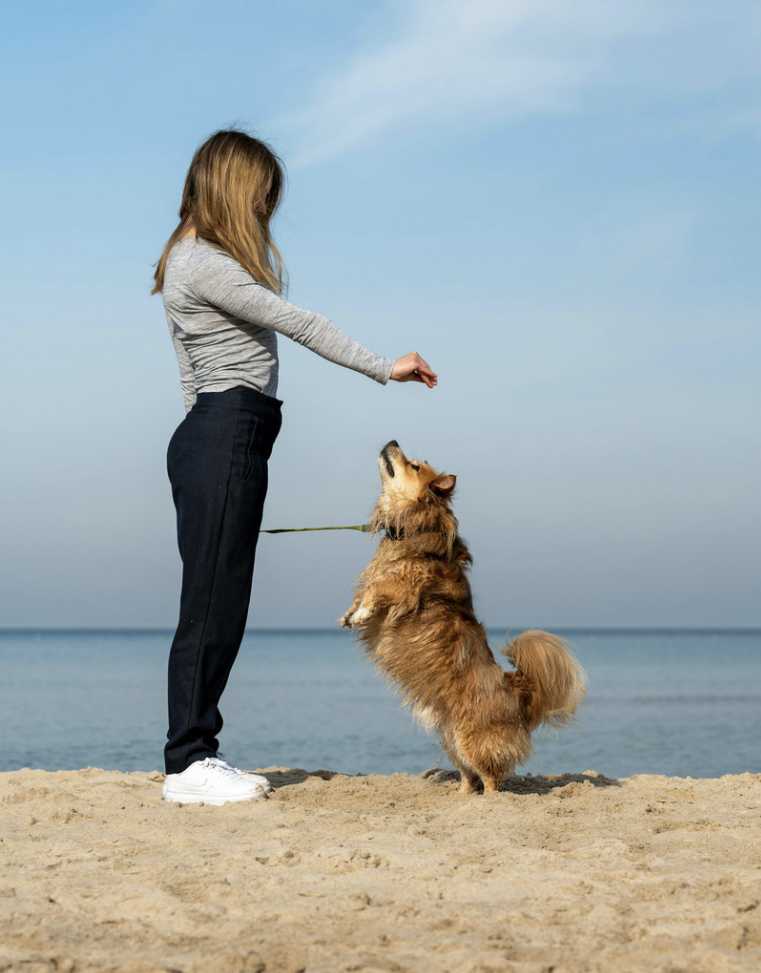
Almost all vets agree that positive training is the most effective method of dog training. Positive reinforcement training essentially focuses on rewarding your pet for good behavior, rather than punishing bad behavior.
Whenever your dog demonstrates good behavior and responds positively to your commands, reward them! By rewarding good behavior, you’re reinforcing the association between good behavior and good things.
It’s also crucial to make sure you’re not inadvertently rewarding negative behavior. Lets say your dog barks at you to play or jumps up to say hello, don’t acknowledge it or give in, it only encourages bad behavior. Instead, wait until they’re calmer before giving them attention.
2. Find the right reward.
Not all dogs are food-motivated, and will respond very enthusiastically to any sort of edible treat as a reward. Others are pickier: often, soft, chewy treats are preferred to hard, crunchy ones.
There are some who just aren’t that interested in food at all. If this is the case with your pup, try experimenting with other rewards, like a quick play session with a favorite toy, or even just plenty of affection.
3. Consistency is key.
Having consistenty in your training is incredibly important. This includes consistency in how you’re training your dog—for example, always using the same word, and even the same kind of intonation, when asking them to do something.
Equally important is for everyone in your household to be on the same page. Dogs need consistency to learn new habits, so if you never let the dog on the couch, but your partner does, your pup will just end up confused.
4. Train little and often.
5 minute training sessions repeated throughout the day are much more effective than longer ones any longer than 5 minutes and your dog may become distracted or frustrated.
Dogs also often struggle to generalize commands to other places or situations (i.e., understanding that asking for a “sit” at home is the same thing as a “sit” on a busy street), so it’s useful to repeat your training sessions in multiple locations, with different people and with varying levels of distraction, so that your pup learns to respond correctly to the same command all the time.
5. Build up in stages.
Starting with training small can be helpful, particularly when it comes to more complex behaviors like “stay,” or with behavior modification (when you’re trying to get rid of unwanted behavior).
Try breaking behaviors down into smaller parts. For example, in the beginning, if you’re training “come,” praise and reward your dog when they take even one step towards you. It’s much easier to add on steps and build up to the whole behavior once your pup starts to get the hang of it.
Grain-Free Dog Food: The Hidden Truth Most Dog Owners Don’t Know
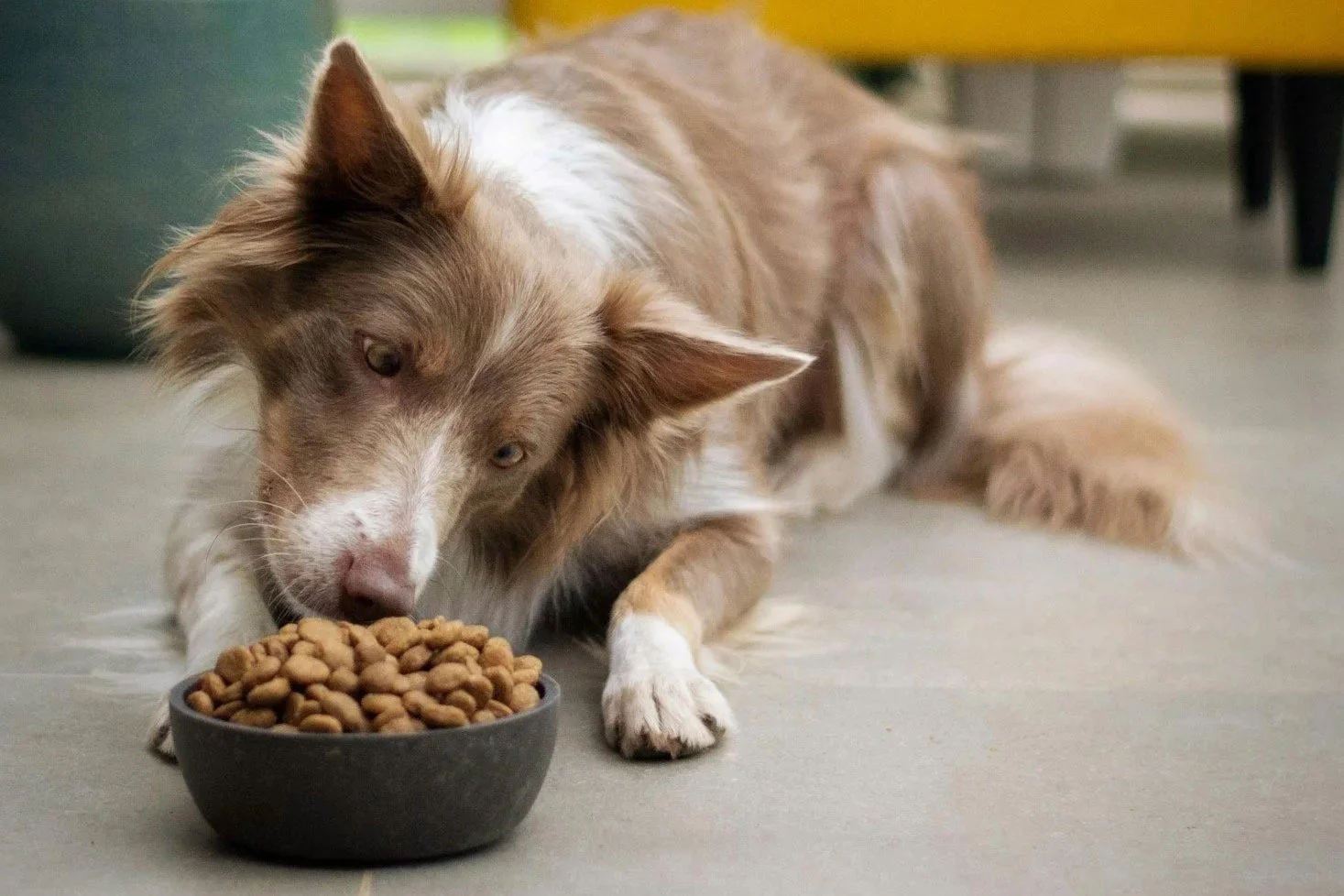
Grain-Free Dog Food: Is It the Right Choice for Your Dog?
Grain-free dog food has become one of the biggest trends in pet nutrition over the last decade. Many dog owners are searching for healthier options that support digestion, skin health, energy, and overall wellbeing — especially for large breeds or dogs with sensitivities. But with so much conflicting information online, it can be hard to know whether grain-free diets are truly beneficial or simply another marketing trend.
If you’re considering switching your dog to a grain-free diet, understanding the benefits, potential risks, and what ingredients actually matter is essential.
What Is Grain-Free Dog Food?
Grain-free dog food is exactly what it sounds like: dog food made without traditional grains such as wheat, corn, rice, barley, or oats. Instead, these foods often use alternative carbohydrate sources like:
Sweet potato
Pumpkin
Lentils
Chickpeas
Peas
Tapioca
Potatoes
Most grain-free formulas also focus heavily on protein sources such as chicken, turkey, salmon, lamb, beef, or novel proteins like kangaroo or venison.
The goal of grain-free feeding is often to provide a diet closer to what many people believe is more natural for dogs while avoiding ingredients that may trigger sensitivities in some animals.
Why Some Dog Owners Choose Grain-Free Diets
1. Food Sensitivities and Allergies
Some dogs experience sensitivities to certain ingredients found in traditional kibble. Symptoms may include:
Itchy skin
Excessive licking or scratching
Chronic ear infections
Digestive upset
Gas or bloating
Loose stools
While true grain allergies are less common than many people think, some dogs do appear to feel better on formulas that eliminate certain grains and fillers.
For dogs with sensitive stomachs, switching to a high-quality grain-free food with limited ingredients may improve digestion and reduce inflammation.
2. Improved Skin and Coat Health
Many premium grain-free foods contain higher levels of omega-3 fatty acids from ingredients like salmon, flaxseed, and fish oil. These nutrients support:
Shinier coats
Reduced dryness
Less itching
Healthier skin barrier function
This can be especially helpful for large breeds prone to skin irritation or environmental allergies.
3. Higher Protein Content
Grain-free diets are often higher in protein compared to lower-quality commercial foods. Active dogs, working breeds, and athletic dogs may benefit from increased protein intake to help support:
Lean muscle mass
Recovery
Energy levels
Joint stability
Large breeds such as German Shepherds, Dobermans, Huskies, and athletic mixed breeds often thrive on diets that prioritize quality protein sources.
4. Reduced Fillers
Many dog owners choose grain-free food because they want to avoid heavily processed fillers or lower-quality ingredients commonly found in cheaper kibble.
A well-formulated grain-free diet often contains:
More whole-food ingredients
Better protein sources
Fewer artificial additives
Less heavily processed carbohydrates
However, ingredient quality matters far more than whether the food contains grains.
Are Grains Actually Bad for Dogs?
Not necessarily.
Healthy grains can provide beneficial nutrients, fibre, and energy for many dogs. Brown rice, oats, and barley can all be part of a balanced diet when tolerated well.
The problem is that some low-quality dog foods rely heavily on cheap fillers and poor ingredient quality overall. In these cases, the issue may not be the grains themselves — but the overall formulation of the food.
Many dogs do perfectly well on diets containing grains.
Important Concerns About Grain-Free Diets
In recent years, there has been growing discussion around a possible link between certain grain-free diets and a heart condition called dilated cardiomyopathy (DCM).
Researchers began investigating whether some grain-free foods — particularly those very high in legumes like peas, lentils, and chickpeas — may contribute to nutritional imbalances in certain dogs.
This does not mean all grain-free foods are dangerous. It means quality, balance, formulation, and proper nutrient profiles matter enormously.
When choosing any dog food, it’s important to:
Select reputable brands
Ensure the food is nutritionally complete
Look for balanced formulas rather than trendy marketing
Monitor your dog’s health closely
If your dog has existing health conditions, consulting a veterinarian or qualified pet nutrition professional is always recommended before making major dietary changes.
Signs Your Dog May Benefit From a Different Diet
Every dog is different. Some dogs thrive on grain-inclusive diets, while others improve significantly when switched to carefully balanced grain-free foods.
Possible signs your dog may need dietary adjustments include:
Chronic itching
Poor coat condition
Digestive upset
Constant ear infections
Low energy
Excessive shedding
Difficulty maintaining lean body condition
Nutrition should always be individualized based on:
Breed
Age
Activity level
Medical history
Digestive health
Lifestyle
What to Look for in a High-Quality Grain-Free Dog Food
Not all grain-free foods are equal. Some are packed with high-quality ingredients, while others simply replace grains with large amounts of peas or potatoes.
Look for foods that contain:
Named protein sources as the first ingredient
Balanced omega fats
Limited artificial ingredients
Transparent ingredient lists
Appropriate protein levels for your dog’s activity level
Added joint support ingredients for large breeds (such as glucosamine and chondroitin)
Avoid foods overloaded with:
Artificial colours
Excessive fillers
Generic meat by-products
Large amounts of low-quality starches
Grain-Free Feeding for Large Breeds
Large dogs often have unique nutritional needs, especially when it comes to:
Joint health
Lean muscle maintenance
Weight management
Inflammation control
For breeds prone to hip and joint issues, maintaining a healthy body weight is one of the most important things you can do for long-term mobility.
A nutrient-dense, protein-focused diet combined with proper exercise and joint support supplementation may help support:
Mobility
Muscle preservation
Recovery
Overall quality of life
Final Thoughts
Grain-free dog food is not automatically healthier — but for some dogs, it can be incredibly beneficial when chosen carefully.
The most important factor in canine nutrition is not simply whether a food contains grains. It’s the overall quality, balance, digestibility, and suitability for your individual dog.
A healthy diet should support:
Strong digestion
Healthy skin and coat
Stable energy
Lean muscle
Long-term joint health
Overall vitality
Every dog is unique, and the best diet is one that helps your dog feel, move, and thrive at their absolute best.
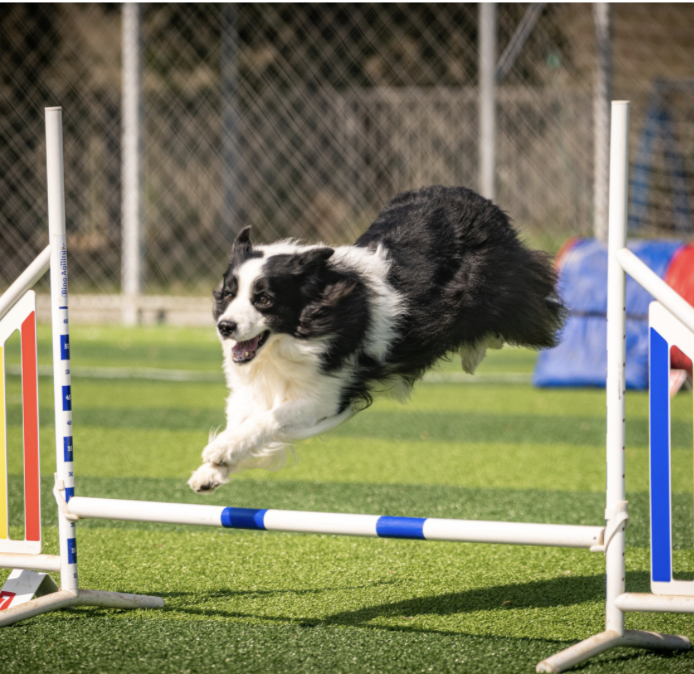
Agility
Dog agility training is far more than teaching a dog to jump over hurdles or run through tunnels—it is a highly structured, mentally stimulating system that develops focus, impulse control, confidence, coordination, and deep communication between dog and handler at an advanced level. At its core, agility taps into a dog’s natural drives—movement, chase, curiosity, and problem-solving—and channels them into controlled, purposeful actions. This is why it is especially powerful for high-energy and working breeds, where unmanaged drive often shows up as reactivity, anxiety, pulling, or destructive behaviour. Instead of suppressing these instincts, agility refines them, giving the dog a clear outlet and a structured way to think under pressure. As the dog learns to navigate obstacles, respond to directional cues, and regulate speed and excitement, they begin to shift from impulsive reactions to intentional responses. They learn to read subtle body language, wait for guidance, and stay mentally connected to their handler even in stimulating environments. This creates a dog that is not only physically capable, but emotionally balanced and highly responsive in everyday life.
Physically, agility training enhances coordination, balance, muscular strength, and joint stability, helping to prevent injuries and improve overall movement quality. Dogs become more aware of their bodies—where their feet are, how to adjust on different surfaces, how to control their speed—and this body awareness carries over into everything they do, from walking calmly on lead to interacting appropriately with other dogs. Mentally, agility builds resilience by introducing controlled challenges: new environments, different textures, varying heights, and increasing levels of complexity. Instead of becoming overwhelmed, the dog learns how to process stimulation, work through uncertainty, and build confidence through success. Over time, this reduces anxiety and builds a calmer, more grounded state of mind, because the dog has learned that challenges are something to move through—not react to. This is why agility is one of the most effective tools not just for exercise, but for behavioural rehabilitation and long-term stability.
Through Couture Canines, my agility training services are designed to go far beyond basic obstacle work. My approach is built on the understanding that true obedience and behavioural change come from engagement, clarity, and nervous system regulation—not force or repetition alone. Every dog I work with goes through a structured progression that starts with foundational skills: engagement with the handler, a clear reward system, reliable recall, and the ability to stay mentally present. Without these, agility becomes chaotic; with them, it becomes transformational. From there, I introduce agility elements in a way that builds confidence rather than pressure—starting with simple, low-impact exercises and gradually increasing complexity, speed, and environmental challenge. This ensures the dog is always learning in a state of success, not overwhelm.
My services are fully customised based on the dog in front of me. For high-drive breeds, agility becomes a powerful outlet that replaces destructive behaviours with structured movement and purpose. For anxious or under-confident dogs, it becomes a confidence-building system that gently expands their comfort zone and teaches them to trust both themselves and their handler. For dogs struggling with focus or reactivity, agility creates a framework where they learn to prioritise their owner over external distractions, building true control that extends beyond the training environment. Each session blends agility, obedience, and behavioural work, so clients are not just seeing their dog perform tasks, but experiencing real-life changes—calmer walks, better recall, improved listening, and a stronger overall connection.
A key part of my service is educating owners. I don’t just train the dog—I teach you how to communicate, guide, and lead your dog effectively. You’ll learn how to use your body language, timing, and energy to influence behaviour, how to reinforce the right moments, and how to continue progress at home. This creates consistency, which is where real results come from. Clients leave with practical tools, structured exercises, and a clear understanding of how to maintain and build on their dog’s progress long-term.
This is not just agility training—it’s a complete system designed to reshape how your dog thinks, moves, and responds. It produces dogs that are mentally balanced, physically fulfilled, and highly engaged with their owner, even in challenging environments. Through my work, agility becomes more than an activity—it becomes a pathway to a calmer, more obedient, and more connected dog, while building a relationship based on trust, clarity, and mutual understanding.