
Understanding Anxious Dog Breeds: What Causes It & How To Calm Them Naturally Without Medication
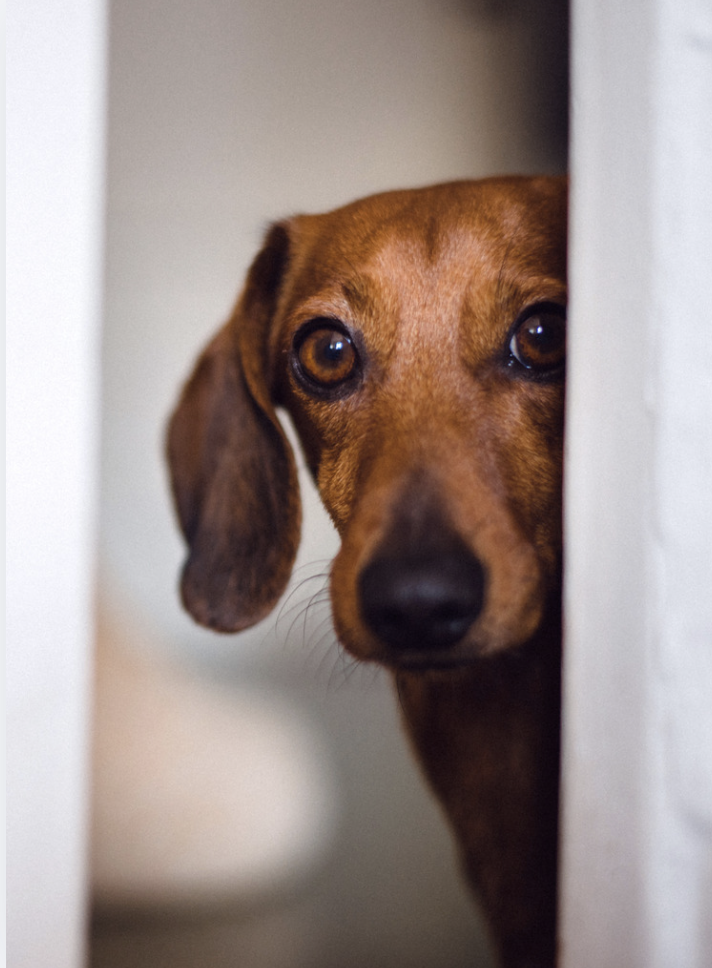
Some dog breeds are genetically more prone to anxiety, sensitivity, hypervigilance, and nervous system overload — especially intelligent working breeds that were bred to constantly observe, protect, herd, or react to their environment.
Breeds commonly prone to anxiety can include:
• German Shepherds
• Border Collies
• Australian Shepherds
• Huskies
• Dobermans
• Poodles
• Vizslas
• Belgian Malinois
• Cattle Dogs
• Some rescue dogs with unstable early experiences
And one of the biggest mistakes people make? Treating anxiety like “bad behaviour” instead of emotional dysregulation.
An anxious dog is not trying to dominate you. They are trying to survive what feels unsafe to them.
The good news is that many anxious dogs can improve dramatically without medication when their lifestyle, structure, training, and nervous system needs are addressed consistently.
Here’s what ACTUALLY helps.
🐾 Stop creating a constantly overstimulated dog
Many owners accidentally build anxiety by constantly hyping their dog up:
• excessive ball throwing
• chaotic dog parks
• constant excitement
• overstimulating environments
• no true rest periods
• over-exercising without mental decompression
A tired dog is not always a calm dog.
Some anxious dogs become adrenaline addicts. Their nervous system stays stuck in “go mode,” making reactivity and panic worse over time.
Instead:
• prioritize calm walks over chaotic exercise
• use sniff walks
• practice decompression walks on long lines
• teach settling inside the home
• reward calm behaviour, not only excitement
Learning to relax is a skill.
🐾 Structure reduces anxiety
Anxious dogs thrive on predictability because predictability creates safety.
Try:
• same feeding times daily
• structured walks
• consistent sleep schedules
• crate or safe-space routines
• clear household boundaries
• predictable training sessions
Dogs with anxiety often struggle when life feels chaotic or inconsistent.
Even simple routines can dramatically reduce stress hormones over time.
🐾 Build confidence slowly instead of “flooding”
One of the worst things you can do is force fearful dogs into overwhelming situations hoping they’ll “get over it.”
This often makes anxiety worse.
Instead use:
• gradual exposure
• desensitization
• counterconditioning
This means exposing the dog to a trigger at a level they can HANDLE while pairing it with positive experiences. Research consistently supports gradual desensitization and counterconditioning as highly effective behavioural approaches for canine anxiety and separation issues. ()
Example:
If your dog reacts to other dogs:
• start FAR away from dogs
• reward calmness before reacting
• slowly decrease distance over time
• leave BEFORE panic starts
Success builds confidence.
Overwhelm destroys it.
🐾 Stop punishing fear-based behaviours
Punishing:
• barking
• growling
• shaking
• hiding
• reactive lunging
may suppress behaviour temporarily while worsening the underlying anxiety.
Fear cannot be corrected out of a dog through intimidation.
Punishment often creates:
• distrust
• defensive aggression
• shutdown behaviour
• increased stress hormones
Instead:
• redirect calmly
• reward neutrality
• remove pressure
• create distance from triggers
• teach alternative behaviours
Behaviour experts often recommend teaching incompatible calm behaviours such as “sit,” “place,” or “settle” instead of reacting. ()
🐾 Mental enrichment matters MORE than endless exercise
Many anxious breeds are highly intelligent working dogs.
Without mental stimulation:
• anxiety increases
• destruction increases
• obsessive behaviours increase
• pacing and whining increase
Affordable enrichment ideas:
• frozen carrots
• cardboard destruction boxes
• rolled towels with treats hidden inside
• sniffing games
• basic obedience sessions
• scatter feeding kibble in grass
• homemade puzzle toys
• frozen lick mats
• training meals instead of bowl feeding
Mental work tires the brain in a healthy way without overstimulating the nervous system.
🐾 Your energy affects your dog
Dogs constantly read:
• body language
• tone
• tension
• breathing
• emotional energy
If you panic every time your dog reacts, your dog often becomes more reactive.
Calm leadership matters:
• slower movements
• neutral voice
• relaxed leash handling
• confidence without force
Anxious dogs need someone who feels safe and predictable.
🐾 Sleep is massively overlooked
Overtired dogs become emotionally unstable just like humans do.
Many anxious dogs are not sleeping enough because:
• too much stimulation
• constant activity
• no enforced rest
• busy households
Adult dogs often need 12–16 hours of sleep daily.
Puppies may need 18–20 hours.
Teaching naps and calm crate time can dramatically improve behaviour.
🐾 Separation anxiety needs gradual training
Dogs with separation anxiety are not being “spiteful.”
True separation anxiety is panic.
Evidence-based behavioural programs focus heavily on gradual alone-time desensitization and creating positive associations with being alone. ()
Affordable ways to work on it:
• leave for seconds first
• return BEFORE panic begins
• slowly increase duration
• use long-lasting chews or frozen enrichment
• avoid dramatic goodbyes and arrivals
• practice independence while you’re home
Rushing this process usually causes setbacks.
🐾 Nutrition and physical health matter too
Pain, gut issues, poor diet, lack of exercise balance, and chronic inflammation can affect behaviour dramatically.
Things that may help:
• consistent balanced diet
• omega-3 fatty acids
• enough protein
• proper sleep
• hydration
• regular vet checks
• checking for hidden pain or discomfort
Sometimes anxiety behaviours are worsened by underlying physical discomfort.
🐾 Affordable calming tools that can help
Without spending thousands:
• long-line decompression walks
• structured obedience
• crate training properly
• white noise
• pheromone diffusers
• calming music
• frozen enrichment
• routine and predictability
• confidence-building exercises
• place training
• teaching neutrality instead of forced socialization
Most improvement comes from consistency, not expensive gadgets.
And most importantly:
Healing anxiety in dogs is rarely about “fixing” the dog.
It’s about helping the dog finally feel safe enough to stop surviving all the time.
Some of the most anxious dogs become the most loyal, emotionally connected, incredible companions once trust, structure, and confidence are built properly. 🤍
