
Grain-Free Dog Food: The Hidden Truth Most Dog Owners Don’t Know
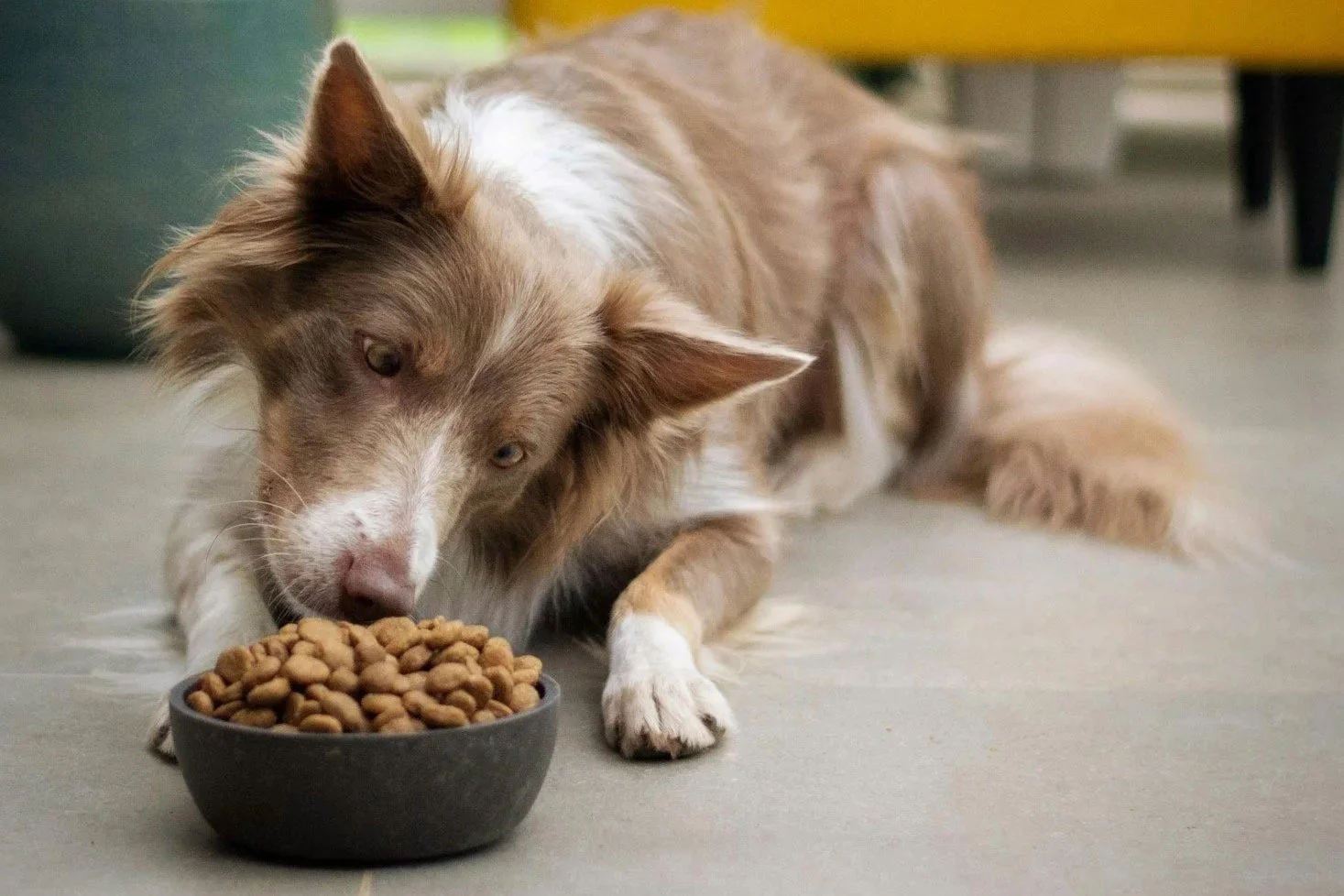
Grain-Free Dog Food: Is It the Right Choice for Your Dog?
Grain-free dog food has become one of the biggest trends in pet nutrition over the last decade. Many dog owners are searching for healthier options that support digestion, skin health, energy, and overall wellbeing — especially for large breeds or dogs with sensitivities. But with so much conflicting information online, it can be hard to know whether grain-free diets are truly beneficial or simply another marketing trend.
If you’re considering switching your dog to a grain-free diet, understanding the benefits, potential risks, and what ingredients actually matter is essential.
What Is Grain-Free Dog Food?
Grain-free dog food is exactly what it sounds like: dog food made without traditional grains such as wheat, corn, rice, barley, or oats. Instead, these foods often use alternative carbohydrate sources like:
Sweet potato
Pumpkin
Lentils
Chickpeas
Peas
Tapioca
Potatoes
Most grain-free formulas also focus heavily on protein sources such as chicken, turkey, salmon, lamb, beef, or novel proteins like kangaroo or venison.
The goal of grain-free feeding is often to provide a diet closer to what many people believe is more natural for dogs while avoiding ingredients that may trigger sensitivities in some animals.
Why Some Dog Owners Choose Grain-Free Diets
1. Food Sensitivities and Allergies
Some dogs experience sensitivities to certain ingredients found in traditional kibble. Symptoms may include:
Itchy skin
Excessive licking or scratching
Chronic ear infections
Digestive upset
Gas or bloating
Loose stools
While true grain allergies are less common than many people think, some dogs do appear to feel better on formulas that eliminate certain grains and fillers.
For dogs with sensitive stomachs, switching to a high-quality grain-free food with limited ingredients may improve digestion and reduce inflammation.
2. Improved Skin and Coat Health
Many premium grain-free foods contain higher levels of omega-3 fatty acids from ingredients like salmon, flaxseed, and fish oil. These nutrients support:
Shinier coats
Reduced dryness
Less itching
Healthier skin barrier function
This can be especially helpful for large breeds prone to skin irritation or environmental allergies.
3. Higher Protein Content
Grain-free diets are often higher in protein compared to lower-quality commercial foods. Active dogs, working breeds, and athletic dogs may benefit from increased protein intake to help support:
Lean muscle mass
Recovery
Energy levels
Joint stability
Large breeds such as German Shepherds, Dobermans, Huskies, and athletic mixed breeds often thrive on diets that prioritize quality protein sources.
4. Reduced Fillers
Many dog owners choose grain-free food because they want to avoid heavily processed fillers or lower-quality ingredients commonly found in cheaper kibble.
A well-formulated grain-free diet often contains:
More whole-food ingredients
Better protein sources
Fewer artificial additives
Less heavily processed carbohydrates
However, ingredient quality matters far more than whether the food contains grains.
Are Grains Actually Bad for Dogs?
Not necessarily.
Healthy grains can provide beneficial nutrients, fibre, and energy for many dogs. Brown rice, oats, and barley can all be part of a balanced diet when tolerated well.
The problem is that some low-quality dog foods rely heavily on cheap fillers and poor ingredient quality overall. In these cases, the issue may not be the grains themselves — but the overall formulation of the food.
Many dogs do perfectly well on diets containing grains.
Important Concerns About Grain-Free Diets
In recent years, there has been growing discussion around a possible link between certain grain-free diets and a heart condition called dilated cardiomyopathy (DCM).
Researchers began investigating whether some grain-free foods — particularly those very high in legumes like peas, lentils, and chickpeas — may contribute to nutritional imbalances in certain dogs.
This does not mean all grain-free foods are dangerous. It means quality, balance, formulation, and proper nutrient profiles matter enormously.
When choosing any dog food, it’s important to:
Select reputable brands
Ensure the food is nutritionally complete
Look for balanced formulas rather than trendy marketing
Monitor your dog’s health closely
If your dog has existing health conditions, consulting a veterinarian or qualified pet nutrition professional is always recommended before making major dietary changes.
Signs Your Dog May Benefit From a Different Diet
Every dog is different. Some dogs thrive on grain-inclusive diets, while others improve significantly when switched to carefully balanced grain-free foods.
Possible signs your dog may need dietary adjustments include:
Chronic itching
Poor coat condition
Digestive upset
Constant ear infections
Low energy
Excessive shedding
Difficulty maintaining lean body condition
Nutrition should always be individualized based on:
Breed
Age
Activity level
Medical history
Digestive health
Lifestyle
What to Look for in a High-Quality Grain-Free Dog Food
Not all grain-free foods are equal. Some are packed with high-quality ingredients, while others simply replace grains with large amounts of peas or potatoes.
Look for foods that contain:
Named protein sources as the first ingredient
Balanced omega fats
Limited artificial ingredients
Transparent ingredient lists
Appropriate protein levels for your dog’s activity level
Added joint support ingredients for large breeds (such as glucosamine and chondroitin)
Avoid foods overloaded with:
Artificial colours
Excessive fillers
Generic meat by-products
Large amounts of low-quality starches
Grain-Free Feeding for Large Breeds
Large dogs often have unique nutritional needs, especially when it comes to:
Joint health
Lean muscle maintenance
Weight management
Inflammation control
For breeds prone to hip and joint issues, maintaining a healthy body weight is one of the most important things you can do for long-term mobility.
A nutrient-dense, protein-focused diet combined with proper exercise and joint support supplementation may help support:
Mobility
Muscle preservation
Recovery
Overall quality of life
Final Thoughts
Grain-free dog food is not automatically healthier — but for some dogs, it can be incredibly beneficial when chosen carefully.
The most important factor in canine nutrition is not simply whether a food contains grains. It’s the overall quality, balance, digestibility, and suitability for your individual dog.
A healthy diet should support:
Strong digestion
Healthy skin and coat
Stable energy
Lean muscle
Long-term joint health
Overall vitality
Every dog is unique, and the best diet is one that helps your dog feel, move, and thrive at their absolute best.
